
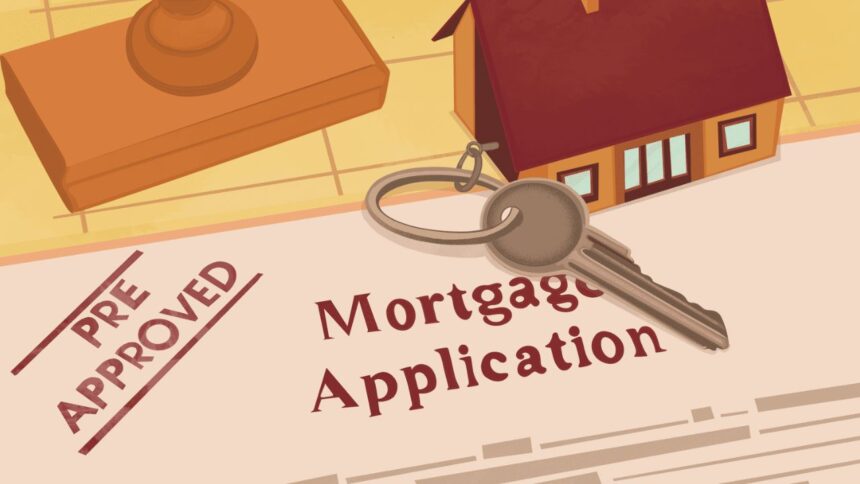
Buying a home is one of the biggest financial decisions in life, and in the United States, the mortgage process plays a key role in making that possible. Before you can actually buy a property, one of the first steps is getting pre-approved for a mortgage. Many buyers hear this term but don’t fully understand what it means or how it works.
This guide explains the full mortgage pre-approval process in a simple, practical, and human way so you can move forward with confidence.
What is Mortgage Pre-Approval?
Mortgage pre-approval is a process where a lender reviews your financial situation and determines how much money you may be eligible to borrow for a home.
It is not a final loan approval, but it is a strong indicator of your borrowing power. Sellers also take pre-approval seriously because it shows that you are a genuine buyer with financial backing.
In simple terms, pre-approval helps you understand your budget before you start house hunting.
Step-by-Step Process of Getting Pre-Approved
The pre-approval process is not complicated if you understand the steps clearly.
1. Initial Application
The first step is filling out a mortgage application with a lender or mortgage professional. This can usually be done online or in person. You will provide basic information such as your income, employment status, and current debts.
2. Credit Check
Next, the lender checks your credit history. Your credit score plays an important role in determining your eligibility and the interest rate you may receive. A stronger credit profile often leads to better loan terms.
3. Financial Review
After checking your credit, the lender reviews your financial documents to understand your overall stability. This includes your income, savings, and existing financial obligations.
4. Pre-Approval Decision
Once the review is complete, the lender provides a pre-approval letter. This letter shows the estimated loan amount you qualify for and gives you a clear idea of your home-buying budget.
Documents Required for Mortgage Pre-Approval
To speed up the process, it is important to prepare your documents in advance. Most lenders will ask for the following:
- Recent pay stubs or proof of income
- Bank statements (usually last 2–3 months)
- Tax returns (last 1–2 years)
- Employment verification or job details
- Government-issued identification
- Details of existing debts or loans
Having these documents ready not only saves time but also improves your chances of a smooth approval process.
Why Pre-Approval is Important
Many first-time homebuyers skip or delay pre-approval, but it is actually one of the most important steps in the home buying journey.
Here’s why:
- It helps you understand your real budget
- It makes your offer stronger when buying a home
- It saves time by narrowing down property options
- It gives you a clear view of your financial position
Without pre-approval, you are essentially guessing your buying power, which can lead to disappointment later.
Common Mistakes to Avoid
While the process is simple, many buyers still make mistakes that slow things down.
Some common ones include:
- Applying without checking credit score
- Not organizing financial documents
- Taking on new debt during the process
- Ignoring the difference between loan types
- Focusing only on interest rates instead of total cost
Avoiding these mistakes can make your mortgage journey much smoother and stress-free.
Understanding the Bigger Picture
Mortgage pre-approval is not just a formality — it is the foundation of your home buying strategy. It connects your financial reality with your property goals.
When done correctly, it helps you:
- Make realistic home choices
- Negotiate better with sellers
- Avoid financial pressure
- Move faster in competitive markets
In today’s real estate environment, being prepared gives you a strong advantage.
Getting the Right Guidance
The mortgage process can feel confusing, especially for first-time buyers. That’s why many people prefer working with professionals who can break things down in simple terms.
For example, Duane Buziak Mortgage Maestro is a name that comes up often in mortgage discussions because of its focus on explaining loan options and guiding buyers step by step. Many buyers look for this type of support when they want clarity instead of confusion.
Having the right guidance can make a big difference in how smoothly your pre-approval and overall mortgage process goes.
Final Thoughts
Mortgage pre-approval is the first real step toward homeownership in the United States. It is simple, but powerful. When you understand the process, prepare your documents, and stay financially organized, everything becomes easier.
Instead of rushing, take your time to understand your options. A well-prepared buyer always has a better experience and more confidence when making decisions.
In the end, pre-approval is not just about numbers — it is about clarity, confidence, and control over your home buying journey.